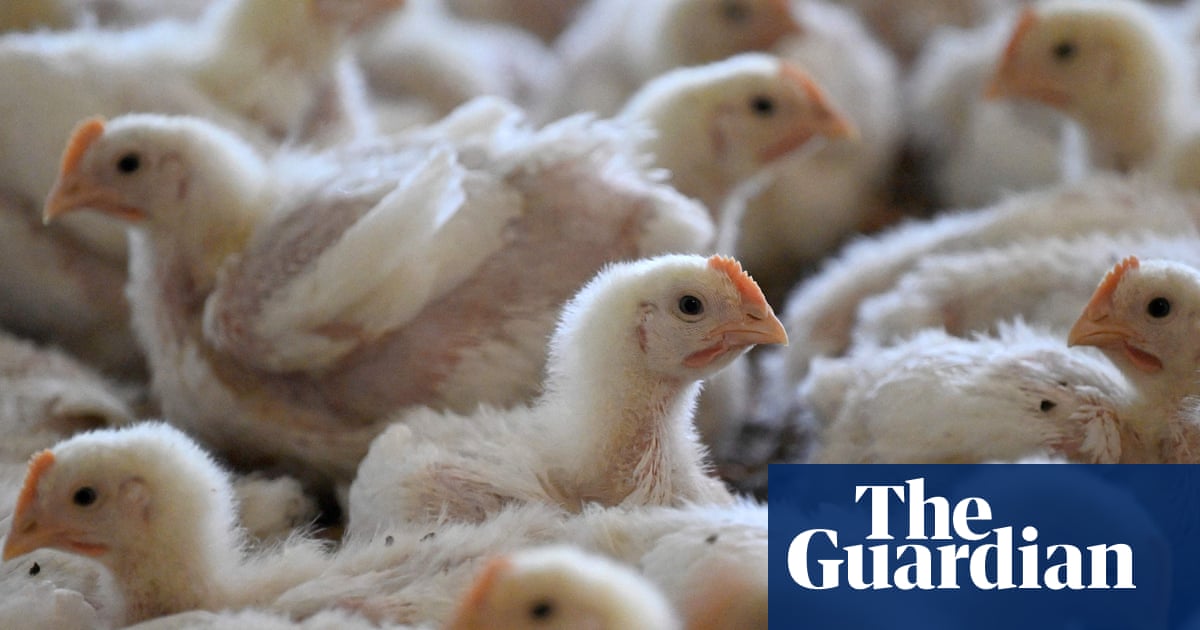
Denmark's government is pushing for a national and European Union-wide ban on fast-growing 'turbo chicken' breeds, citing animal welfare concerns and public outrage over secret footage exposing lawbreaking practices by a major producer.
The 'Turbo Chicken' Debate
The Ross 308 breed, known as the 'turbo chicken', is the most widespread in Danish poultry production. It grows from about 50 grams to 2kg in just 33 days, significantly faster than other breeds. This rapid growth can lead to problems with the animal's bones and organs. According to Eurogroup for Animals, 95% of chickens in the EU are raised in intensive systems and bred to produce the cheapest amount of meat possible, creating a 'race to the bottom'.
Secret Footage Exposes Welfare Concerns
A TV2 documentary broadcast last week revealed that producer Christian Tvergaard broke Danish law by giving chickens only half the required amount of darkness a day to encourage them to eat more. The footage was secretly filmed inside a chicken coop in North Jutland. Tvergaard has since admitted to making some wrong decisions and promised to correct them.
Political Momentum for a Ban
Denmark's minister for nature and animal welfare, Christian Rabjerg Madsen, discouraged Danes from buying turbo chickens and called for a national ban. He also emphasized the need for a legal and economic investigation. The proposal for the ban is gaining cross-party support in Denmark, but industry figures warn that it must include imported chickens to be effective.
Klement Hinkbøl Ribergaard, the chief executive of chicken producer Danpo, expressed concern that a ban in Denmark alone would not significantly improve animal welfare, as imported chickens could still be of questionable quality. He argued that a ban must include imported chickens to be effective.
Public Debate and Animal Welfare Concerns
Animal welfare has been a prominent issue in public debate in Denmark in recent months. The issue of pig farming dominated the last general election to such an extent that it was nicknamed the 'pig election'. Denmark is also set to stop mink farming by August 2029 after the current government decided not to seek an EU exemption on the practice.
Britta Riis, chief executive of Animal Protection Denmark, described turbo chickens as the result of a 'deeply unethical and grotesque form of breeding' that led to 'systematic abuse' and considerable suffering for the birds. The organization is calling for all chickens to be bred for the same amount of time as organic breeds, which is 56 days.
The Price of Chicken Meat
Some comments in the public debate questioned the price of chicken meat in Denmark compared to other countries. One commenter pointed out that chicken meat is already 2 to 3 times more expensive in Denmark than in the US, despite the better living conditions for chickens in Ireland. Another commenter argued that if the only way to eat cheap meat is to have animals live a tortured life, we shouldn't have cheap meat at all.
The Future of 'Turbo Chickens'
The proposal for the ban on turbo chickens is gaining political momentum, but the future of these fast-growing breeds remains uncertain. Denmark's efforts to address animal welfare concerns and public outrage may set a precedent for the EU, but the challenge of balancing economic interests and animal welfare remains a complex issue.

