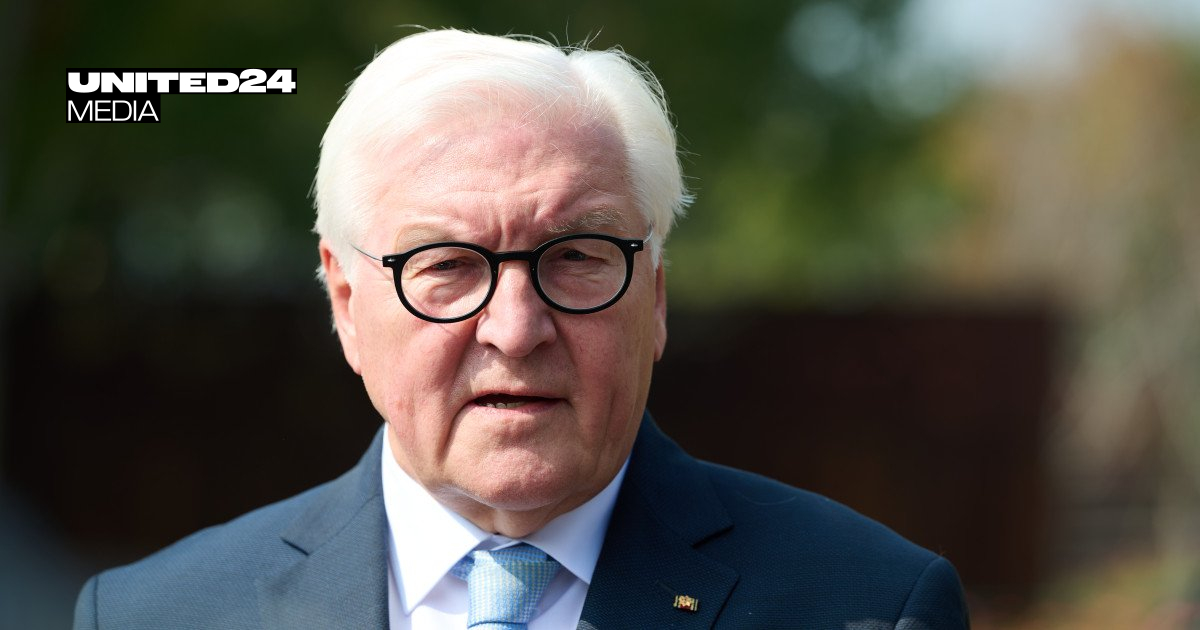
German President Frank-Walter Steinmeier urged China on October 29 to use its diplomatic influence to help bring an end to Russia’s full-scale invasion of Ukraine, warning that protracted global instability threatens major economies worldwide. Speaking during his state visit, Steinmeier emphasized that stability in Eastern Europe directly aligns with Beijing's national interests as a major trading nation reliant on open maritime routes, secure supply chains, and reliable energy supplies.
"The longer these conflicts continue, the weaker the global economy becomes as a whole–and with it one of its largest economies: China," Steinmeier said. He added that Western nations are not looking to hinder Beijing's growth, stating, "We are not concerned about China's rise. We are watching how China rises."
Industrial Ties and Dual-Use Supplies
The appeal comes amid heightened scrutiny of the deepening industrial ties between Beijing and Moscow. A report by C4ADS published on October 22, 2026, highlighted how Russian defense production has increasingly shifted into China, with advanced military expertise flowing in both directions despite an asymmetric relationship.
The study examined Sino-Russian collaboration surrounding advanced conventional weapons, detailing supply chains, joint research and development, and academic links between defense-affiliated institutions. Researchers identified 314 shipments involving 52 Russian suppliers and 21 Chinese recipients that transferred military dual-use inputs, manufacturing capabilities, intellectual property, and advanced technology. The report noted that while Russia contributes Soviet-era engineering expertise, China offers industrial scale and heavily funded technology applications.
Strategic Interests and Observer Debates
Steinmeier’s assertion that global economic stability serves Chinese interests has met with widespread skepticism regarding Beijing's true incentives. Many observers argue that prolonged conflict provides substantial strategic advantages to China, including discounted access to Russian energy and raw materials as Moscow grows economically dependent on its eastern neighbor.
"This sounds like a decent argument. However, I doubt China sees this as incentive enough considering how much Russia will become reliant on China the longer this goes on for," noted one observer. "The only thing China will likely pressure Russia into doing is to not launch nukes at Ukraine."
Others point out that China benefits from observing modern combat tactics and seeing Western financial and military resources absorbed by the conflict in Europe. "Why would China want this war to end? They have many benefits to reap from it continuing," another commentator remarked, citing cheaper resource deals, insights into contemporary warfare, and potential divisions among Western allies as key factors.
Western Dilemmas and Future Prospects
The diplomatic request highlights the limited direct leverage European nations hold when urging Beijing to alter its policy toward Moscow. With trade tensions existing alongside strategic rivalries, European leaders face the reality that China's stance is dictated by its own long-term geopolitical calculus rather than external appeals for global economic stability.
As the war continues to strain international markets and security frameworks, Beijing's balanced approach—maintaining its partnership with Moscow while engaging in trade across global markets—remains a central challenge for European diplomacy.

